
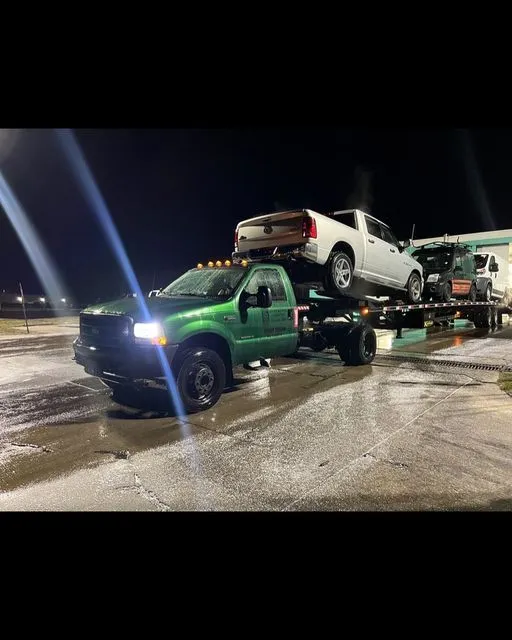
How to Prepare Your Car for State-to-State Auto Transport
Shipping a car from one state to another can simplify a relocation, online vehicle purchase, or long-distance move. However, a little preparation before pickup can make the process easier to coordinate.
Whether you are arranging transportation from Jacksonville, Florida, or shipping a vehicle into another state, preparing your car helps you document its condition, communicate important requirements, and reduce avoidable delays.
Moveguard Auto Shipping helps customers explore state-to-state auto transport and other vehicle shipping options. Use this checklist to prepare for your upcoming shipment.
1. Confirm Your Shipping Arrangements
Before preparing the vehicle, review the details of your transportation agreement.
Confirm the pickup and delivery locations, estimated pickup window, expected transit time, quoted price, payment terms, and cancellation policy. Ask who will contact you regarding the carrier’s arrival and how updates will be communicated.
Verify the identity and role of the transportation provider and request applicable carrier and insurance details.
If you are purchasing a car from a dealership or private seller, coordinate the vehicle’s release and confirm that the person handing over the vehicle has the required authorization.
2. Clean Your Vehicle
Wash the exterior sufficiently to make scratches, dents, paint marks, and other existing imperfections easier to see.
A clean vehicle makes the inspection process more straightforward because dirt and mud can hide minor damage. You do not necessarily need professional detailing; the goal is to document the vehicle’s condition clearly.
Clean the interior if needed, but avoid leaving loose objects inside the car.
3. Take Photos Before Pickup
Photographs provide a useful record of your vehicle’s condition before transportation.
Take clear pictures of the front, rear, both sides, roof where accessible, wheels, and visible damage. Photograph any existing scratches, dents, chips, or broken components.
If possible, keep the pictures dated and organized so you can compare them with the vehicle’s condition at delivery.
Photographs should supplement, not replace, the carrier’s required inspection and condition report.
4. Remove Personal Belongings
Remove personal items from the cabin, trunk, glove compartment, and other storage areas unless the transport provider has explicitly authorized particular items under the applicable terms.
Personal belongings may not be covered by the carrier’s cargo insurance, and transport providers may restrict or prohibit them. Extra weight can also affect loading and safety requirements.
Remove loose electronics, valuables, important documents, toll devices, and detachable accessories that are not required for the vehicle’s transportation.
Check the provider’s instructions before leaving anything inside the car.
5. Check Fuel and Vehicle Condition
Follow the carrier’s instructions regarding fuel level. Some providers request a low fuel level while retaining enough fuel for loading and unloading when the vehicle is operable.
Inform the transport provider about mechanical issues, fluid leaks, warning lights, battery problems, or difficulty starting the vehicle.
If your car is inoperable, disclose this before booking. Specialized loading equipment or different transportation arrangements may be required, and additional charges may apply.
Do not assume a non-running vehicle can be transported using standard equipment.
6. Remove or Secure Accessories
Review any removable or loose exterior accessories, including roof racks, bike racks, antennas, detachable spoilers, and aftermarket components.
Ask the transport provider which items need to be removed or secured before pickup. Confirm how modified vehicles, oversized tires, lowered suspensions, or unusual dimensions will be handled.
Fold in mirrors if appropriate and safe to do so, and secure any loose items in accordance with the provider’s instructions.
7. Prepare Your Keys and Documents
Make sure the authorized pickup representative has the keys or access devices required to load the vehicle.
Prepare any documents requested by the provider, and confirm whether additional authorization is necessary if another person is releasing the vehicle on your behalf.
Do not leave important personal documents, vehicle titles, or other sensitive paperwork inside the car unless the arrangement specifically requires it.
8. Be Ready on Pickup Day
Make sure you or your authorized representative can be reached during the agreed pickup window.
Allow enough time for the vehicle inspection, documentation, loading, and handoff. Review the condition report carefully and raise any discrepancies before signing.
If the carrier cannot access the planned pickup address, coordinate an agreed alternative location. Never ask a carrier to stop in a location that is unsafe or prohibited.
9. Inspect Your Vehicle at Delivery
When the vehicle arrives, inspect its exterior in good lighting if possible. Compare its condition with your pickup photographs and the original condition report.
Check the major visible panels, bumpers, windows, wheels, and other areas that were documented at pickup.
If you notice new damage, record it clearly on the delivery paperwork before signing, notify the appropriate transport representative promptly, and follow the carrier’s claim procedures. Retain copies of the paperwork and photographs.
10. Keep Communication Clear
Accurate contact information and prompt communication help coordinate the handoff process.
Tell the transport provider about changes to your schedule, access restrictions, or special vehicle requirements as early as possible. Keep copies of your booking confirmation and important shipment details.
Arrange Your State-to-State Auto Transport
Preparing your car in advance helps make vehicle pickup, inspection, and delivery easier to coordinate.
Moveguard Auto Shipping helps customers explore interstate shipping options, including open transport, enclosed transport, and door-to-door arrangements.
Contact us with your vehicle information, origin, destination, and preferred shipping dates to discuss the options available for your shipment.