
Open vs. Enclosed Car Transport: Which Should You Choose?
When arranging vehicle transportation, choosing between open and enclosed car transport is an important decision. Both methods are widely used in the auto shipping industry, but they serve different priorities.
The right option depends on your vehicle, budget, preferred level of protection, route, and transportation requirements.
Moveguard Auto Shipping helps customers in Jacksonville, Florida, explore shipping options for everyday vehicles, luxury automobiles, classic cars, and interstate transportation needs.
What Is Open Car Transport?
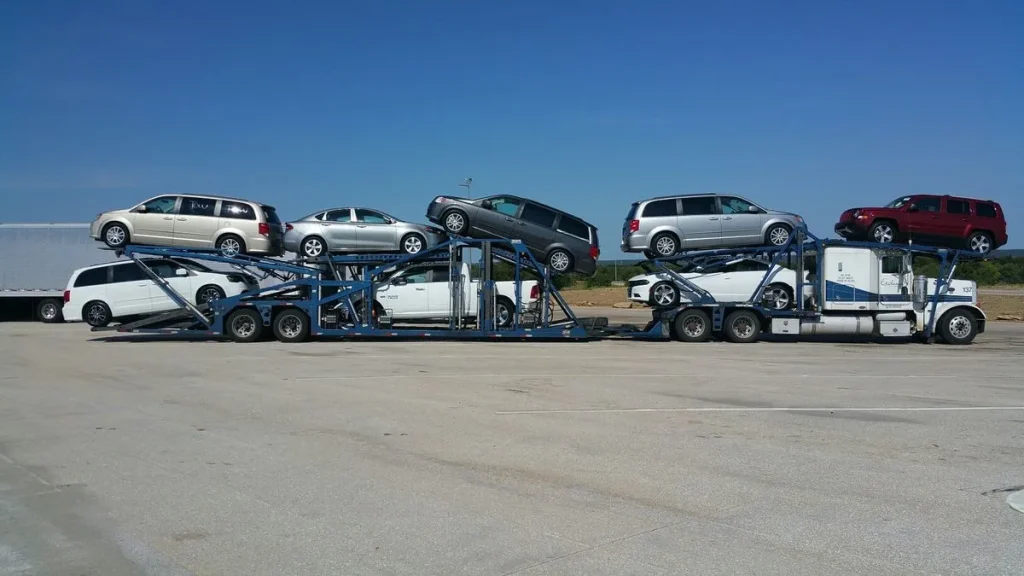
Open car transport uses an uncovered carrier trailer to move multiple vehicles at once. It is a common method for transporting everyday passenger cars, SUVs, pickup trucks, and many other eligible vehicles.
Because open carriers can carry several vehicles on one trip without the structure of an enclosed trailer, this option is often more economical.
Advantages of Open Transport
Generally lower cost: Open transport is often the more budget-friendly choice for standard vehicles.
Widely used: Many everyday vehicle shipments use open carriers, making this a familiar option for common transportation routes.
Suitable for many vehicles: Standard cars, sedans, SUVs, and certain pickup trucks may be eligible, depending on their dimensions and condition.
Things to Consider
Vehicles on open trailers are exposed to normal outdoor conditions, including rain, dust, wind, sunlight, and road debris.
Open transport may still be an appropriate choice for a daily-use vehicle, but owners of rare, valuable, or recently restored cars may prefer a covered alternative.
What Is Enclosed Car Transport?
Enclosed car transport uses a covered trailer to carry vehicles inside a more protected space. This reduces direct exposure to outdoor weather conditions and road debris.
It is commonly considered for classic automobiles, collectible vehicles, luxury models, exotic sports cars, and vehicles with special paint finishes.
Advantages of Enclosed Transport
Additional environmental protection: The covered trailer helps shield the vehicle from direct exposure to weather and road debris.
Useful for special vehicles: Owners of collector cars or recently restored automobiles may value the additional protection.
Potential specialized loading options: Depending on the carrier, equipment may be available for low-clearance or modified vehicles.
Things to Consider
Enclosed transport generally costs more than open transport. Covered carriers may also have different capacities and route availability, which can affect scheduling.
Enclosed shipping does not eliminate all transportation risks. Customers should review the carrier’s insurance documentation, coverage limitations, loading procedures, and shipment terms.
Open vs. Enclosed Transport: Key Differences
| Feature | Open Transport | Enclosed Transport |
|---|---|---|
| Trailer type | Uncovered carrier | Covered trailer |
| Typical cost | Often more economical | Generally more expensive |
| Weather exposure | Direct exposure possible | Reduced direct exposure |
| Common use | Everyday vehicles | Luxury, classic, collectible, or special vehicles |
| Availability | Common on many routes | Depends on route and carrier |
| Best deciding factor | Practicality and budget | Additional environmental protection |
Actual availability, pricing, and vehicle eligibility depend on the shipment.
Which Option Is Better for Your Vehicle?
Choose Open Transport If…
You are shipping a standard daily-use vehicle, want to manage transportation costs, and are comfortable with normal outdoor exposure during transit.
Open transport may also be practical when your priority is arranging a common interstate shipment rather than obtaining additional protection for a specialty vehicle.
Consider Enclosed Transport If…
You own a classic car, collector vehicle, luxury model, exotic sports car, or vehicle with a delicate finish. It may also be worth considering if additional protection from environmental exposure is a priority.
Before deciding, compare the additional cost with the value and condition of your vehicle.
What Should You Ask Before Booking?
Whichever option you choose, ask the provider about the total quoted price, estimated pickup window, delivery estimate, cancellation terms, carrier assignment, and payment requirements.
Request details about insurance coverage and exclusions rather than assuming that all damage risks are covered. Confirm the process for documenting the vehicle’s condition at pickup and delivery.
You should also disclose mechanical problems, modifications, unusual dimensions, and special loading requirements.
Can You Arrange Door-to-Door Service With Either Option?
Door-to-door arrangements may be available with open or enclosed transport, depending on the carrier and route. The carrier must be able to access the pickup and delivery locations safely and legally.
If the exact address is inaccessible to a large trailer, an alternative nearby meeting point may be required.
Make an Informed Car Shipping Decision
There is no universal answer to whether open or enclosed transport is better. Open shipping is often a practical choice for everyday vehicles, while enclosed shipping may suit customers who want additional protection for valuable or specialized automobiles.
Moveguard Auto Shipping helps customers compare these transportation methods and explore arrangements based on their individual needs.
Contact us to discuss your vehicle, route, and preferred shipping method before scheduling your shipment.